
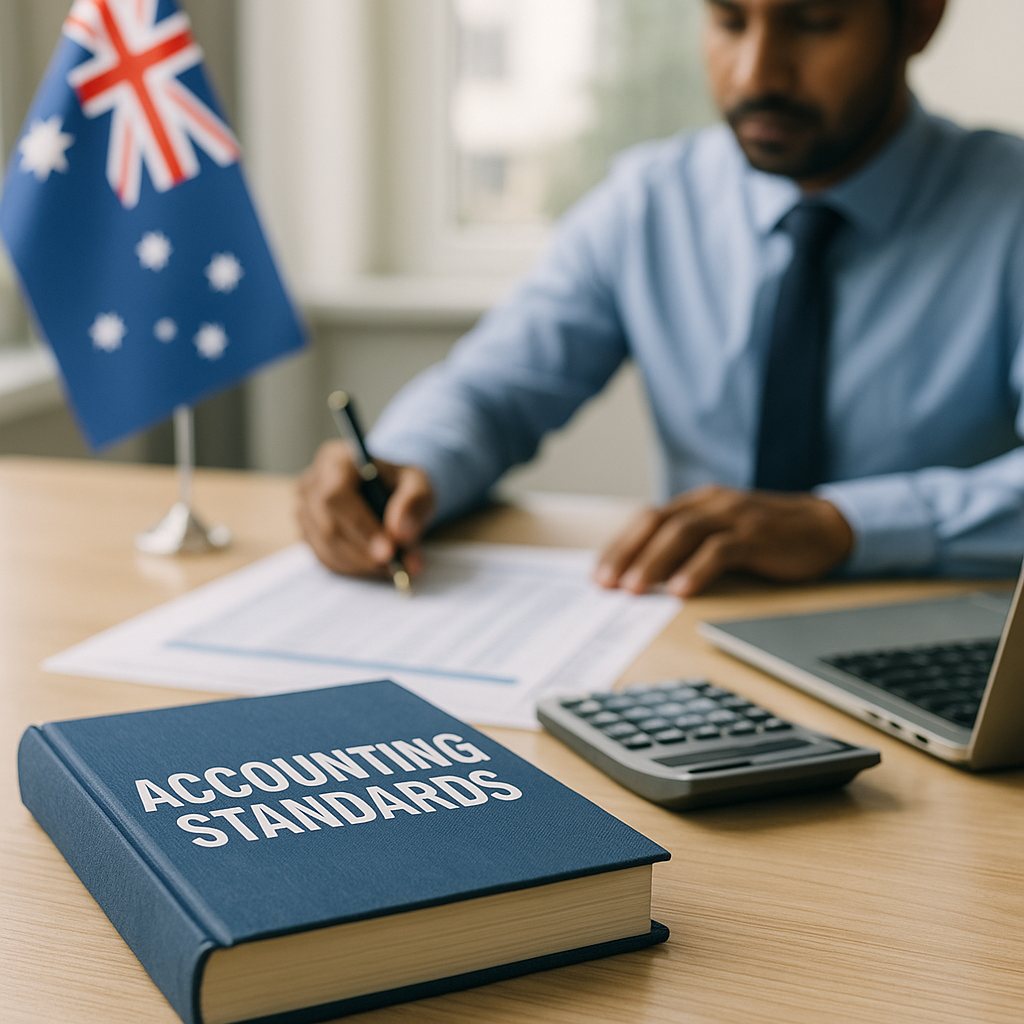
Australian Accounting Standards: Where Offshore Teams Need Extra Attention
Introduction
Picture this: your business outsources accounting to a team in Manila or Mumbai. The work is cheaper and looks fine at first glance. But Australian accounting standards are not just a tick-box exercise – they’re detailed, and mistakes can land you in trouble with the ATO or ASIC. Many companies don’t realise that offshore teams often struggle with these regulations, especially when it comes to compliance, training, and the nitty-gritty of financial statements. If you want audit readiness and real peace of mind, you’ll need to pay extra attention to how your offshore accounting teams handle Australian standards. Otherwise, you could face reporting errors, penalties, or even failed audits.
Quick Answer
Offshore teams working with Australian accounting standards need extra attention in areas like compliance with AASB requirements, preparing financial statements, understanding local tax rules, and audit readiness. Gaps in training, documentation, and quality control often lead to errors or compliance risks. Regular reviews, tailored training, and strong quality checks are essential to ensure offshore teams meet all Australian standards and regulatory requirements.
Why Australian Accounting Standards Are Tricky for Offshore Teams
Australian accounting is built around complex local rules. If your offshore accounting team only knows IFRS or US GAAP, they’ll miss details that matter for compliance and reporting in Australia.
Unique Features of Australian Standards
- AASB Requirements: The Australian Accounting Standards Board (AASB) issues local standards that closely follow IFRS but add specific Australian guidance and disclosures.
- Australian Taxation System: GST, PAYG, FBT, and local income tax reporting all have unique calculation and reporting requirements.
- ASIC and ATO Compliance: The Australian Securities and Investments Commission (ASIC) and Australian Taxation Office (ATO) require strict adherence to lodgement deadlines, disclosure notes, and audit trails.
Where Offshore Teams Usually Get Stuck
- Interpreting AASB nuances (e.g., extra disclosures for property, plant and equipment, or lease accounting under AASB 16)
- Applying local tax treatments for superannuation, GST, and payroll
- Timing differences due to unfamiliarity with Australian financial year (1 July – 30 June)
- Documentation and workpaper standards expected by Australian auditors
If your offshore team misses any of these, you’ll notice errors in financial statements, late lodgements, or compliance gaps.
Key Regulatory Requirements for Offshore Teams Handling Australian Accounts
Australian accounting is shaped by a web of rules. Offshore teams must understand and follow these to avoid compliance risks.
AASB and IFRS: Similar, But Not the Same
Many offshore accountants know IFRS. But Australian standards, set by the AASB, often:
- Require extra disclosures (e.g., climate risk, related party transactions)
- Have stricter asset impairment rules
- Mandate local currency reporting (AUD)
- Apply specific rules for not-for-profit and public sector entities
Example Table: Key Differences Between AASB and IFRS
| Area | IFRS Requirement | AASB (Australia) Requirement |
|---|---|---|
| Lease Accounting | IFRS 16 | AASB 16 (extra local guidance) |
| Currency | Entity’s functional | Must report in AUD |
| Related Party Disclosures | Basic | More detailed under AASB 124 |
| Not-for-Profit Treatment | Not covered | Multiple AASBs for NFPs |
Tax Compliance and Reporting Deadlines
Australian tax law is strict about:
- BAS (Business Activity Statement): Monthly or quarterly lodgement for GST, PAYG, and other taxes
- Payroll Tax: State-based, with different thresholds and rates
- Superannuation: Compulsory employer contributions, strict deadlines
- FBT (Fringe Benefits Tax): Annual reporting with detailed calculations
If offshore teams miss a BAS deadline or miscalculate PAYG, penalties can be steep.
ASIC and ATO Lodgement Rules
- Annual Financial Statements: Must meet AASB standards and be audited if required
- ASIC Forms: Timely lodgement of company changes, director appointments, and annual returns
- Audit Evidence: Offshore teams must provide workpapers and reconciliations that meet Australian audit standards (ASA, ASRE)
Where Training and Communication Break Down
Even skilled offshore accountants can struggle with Australian standards if they haven’t had the right training.
Common Training Gaps
- Local Accounting Standards: Many offshore teams learn IFRS or US GAAP, not AASB specifics
- Tax Law Updates: Australian tax rules change often; offshore teams may miss new GST or payroll rules
- Audit Preparation: Lack of experience with Australian audit evidence requirements
- Industry-Specific Rules: E.g., mining, agriculture, or NFP sectors with extra reporting needs
Fixing the Training Gap
- Run regular workshops focused on AASB updates and ASIC/ATO changes
- Share real examples of past compliance errors and how to spot them
- Use mock audits to train offshore teams in preparing workpapers and audit trails
- Provide checklists for Australian financial statement preparation
Quality Control: The Weakest Link for Offshore Accounting
Quality control is non-negotiable for Australian compliance. But offshore teams often lack the local context to spot problems before they reach your desk.
Where Quality Control Fails
- Incorrect mapping of accounts to AASB-compliant financial statements
- Missed disclosures (e.g., contingent liabilities, related party loans)
- Unreconciled balances at year-end
- Inadequate documentation for asset impairment or provisions
How to Strengthen Quality Control
- Set up double reviews: One by an offshore senior, one by an Australian-qualified accountant
- Use Australian checklists for every reporting cycle
- Schedule quarterly sample audits of offshore work
- Keep a standard operating procedure (SOP) manual based on AASB and ASIC guidelines
Financial Statement Preparation: Australian-Specific Pitfalls
Financial statements must meet strict Australian standards. Offshore teams often stumble on the details.
Common Mistakes
- Incorrect formats: Using US or UK balance sheet layouts instead of Australian templates
- Missing notes: Failing to include all required disclosures under AASB 101, 107, 108, etc.
- Currency errors: Reporting in USD or INR instead of AUD
- Rounding and materiality: Not following AASB guidance on rounding or what’s considered material
Checklist: Preparing Australian-Compliant Financial Statements
- Use the latest AASB templates for balance sheet, P&L, cash flow, and equity statement.
- Ensure all notes required by AASB 101, 107, 108, 110, and other relevant standards are included.
- Double-check all amounts are in Australian dollars.
- Include a director’s declaration as required by the Corporations Act.
- Cross-check disclosures for related parties, contingencies, and commitments.
Audit Readiness: Offshore Teams and Australian Audits
Australian audits are tough. Auditors expect complete, well-documented files that match AASB and ASA (Australian Auditing Standards).
What Auditors Want
- Supporting workpapers for every balance and disclosure
- Clear audit trails for all adjustments and reconciliations
- Access to source documents (invoices, contracts, bank statements)
- Evidence of compliance with AASB, ASIC, and ATO requirements
Offshore Audit Preparation: What Usually Goes Wrong
- Incomplete workpapers: Missing explanations or backup docs
- No local context: Offshore teams don’t know why a note or adjustment is required
- Time zone delays: Hard to get clarifications quickly during audit season
How to Prepare Offshore Teams for Audit
- Share a year-end audit checklist
- Train on Australian audit evidence requirements (ASA 500, 230, 315, etc.)
- Set up a data room for sharing files securely with Australian auditors
- Schedule pre-audit meetings to clarify expectations
Regulatory Risks and Penalties: What Can Go Wrong
If offshore teams get Australian accounting wrong, the risks are real.
Potential Compliance Risks
- Late lodgement: BAS, tax returns, or ASIC forms filed after deadlines
- Incorrect tax calculations: Understating GST, PAYG, or superannuation
- Missing disclosures: Failing to report related party transactions or contingent liabilities
- Audit qualification: Auditors flagging material misstatements or lack of evidence
Penalties and Consequences
- ATO penalties: For late BAS or tax lodgements, errors, or non-compliance (can range from $222 to over $5,500 per breach, as of 2024)
- ASIC fines: For late filings or incorrect financial statements (minimum $313 for late annual reviews)
- Audit delays: Higher audit fees, negative audit opinions, or delays in financial reporting
- Directors’ liability: Directors may be personally liable for significant compliance failures
Building Effective Offshore Accounting Processes for Australia
If you want your offshore teams to succeed with Australian standards, you need strong processes, not just training.
Practical Steps to Set Up Offshore Teams for Success
- Hire or train at least one Australian-qualified accountant to oversee offshore work.
- Create detailed process manuals for AASB compliance, tax lodgement, and reporting.
- Run quarterly compliance audits of offshore work, not just annual checks.
- Use cloud-based accounting software that supports Australian standards (e.g., Xero, MYOB, QuickBooks AU version).
- Set up regular video calls for Q&A and feedback between Australian and offshore teams.
- Maintain a master compliance calendar for all critical deadlines (BAS, tax, ASIC, superannuation, audit, etc.).
Sample Offshore SOP Table
| Process Area | Key Steps | Owner |
|---|---|---|
| BAS Preparation | GST coding, PAYG calc, review, file with ATO | Offshore Senior + AU |
| Financial Reports | Prepare, review, add AASB notes, director sign-off | Offshore + AU Manager |
| Payroll Compliance | Super calc, PAYG, state payroll tax, reporting | Offshore Payroll Lead |
| Audit Prep | Gather docs, reconcile, review, upload to data room | Offshore + AU Auditor |
Communication and Documentation: Bridging the Gap
Good processes only work if everyone is on the same page. Communication gaps can cause serious compliance issues.
Documentation Standards
- Workpapers: Must include clear references, explanations, and backup documents
- Version control: Use cloud storage with audit trails for changes
- Standard file naming: Follow Australian conventions for easy review
Communication Best Practices
- Weekly status meetings: Short calls to discuss issues or changes
- Centralised Q&A log: Document all queries and answers for future reference
- Clear escalation process: Offshore team knows who to contact for urgent Australian compliance questions
Technology and Tools for Offshore Teams Meeting Australian Standards
The right tools make compliance easier, but not all accounting software or platforms support Australian requirements.
Must-Have Features in Accounting Software
- Australian tax codes: GST, PAYG, payroll tax, superannuation
- AASB-compliant templates for financial statements
- Multi-user access: For review and audit by different teams
- Integration with ATO/ASIC portals: For direct lodgement
- Audit trail features: So every change is logged and traceable
Recommended Tools
- Xero AU version: Built for Australian businesses, with GST and BAS support
- MYOB AccountRight: Detailed payroll and superannuation features
- QuickBooks Online AU: Good for small businesses, includes BAS prep
- Cloud document management: Google Drive, SharePoint, or Dropbox Business for version control
Case Study: Offshore Team Handling Australian Accounts
A mid-sized Sydney tech company outsourced its bookkeeping to a team in the Philippines. The offshore team was excellent at day-to-day bookkeeping but had only worked with US GAAP before. When end-of-year financials were due, the team:
- Used the wrong format for the balance sheet (missed AASB 101 requirements)
- Forgot to disclose related party loans
- Reported some numbers in USD instead of AUD
- Missed the BAS lodgement deadline by 10 days
After a compliance review, the company brought in an Australian-qualified accountant to train the offshore team. They set up monthly compliance checks and shared AASB checklists. Within six months, error rates dropped, and the next audit went smoothly. The lesson? Don’t assume offshore teams know Australian rules just because they’re good accountants.
Frequently Asked Questions
What are the main differences between Australian accounting standards and IFRS?
Australian accounting standards (AASB) are based on IFRS but include extra local guidance and disclosures. Examples include reporting in AUD, additional notes for related parties, and specific rules for not-for-profits and public sector entities.
How can offshore teams ensure compliance with Australian tax laws?
Offshore teams must learn Australian GST, PAYG, superannuation, and BAS requirements. Use Australian accounting software, update training regularly, and have all returns reviewed by an Australian-qualified accountant before lodgement.
What is required for preparing Australian-compliant financial statements?
Financial statements must use AASB templates, include all required notes, be prepared in AUD, and have a director’s declaration. Check every disclosure against the latest AASB standards and ASIC/ATO guidelines.
What are the penalties for late or incorrect BAS lodgement?
The ATO can issue penalties for late BAS lodgement, starting at $222 per 28-day period late (as of 2024). Fines increase for repeated or serious breaches, and incorrect filings can trigger audits or further penalties.
How do Australian audit requirements differ from other countries?
Australian audits must follow ASA standards. Auditors expect detailed workpapers, full audit trails, and compliance with AASB requirements. Evidence must be thorough and available for all reported figures and disclosures.
What training should offshore accounting teams receive for Australian standards?
Teams should receive training on AASB rules, Australian tax law, ASIC and ATO compliance, and audit evidence requirements. Ongoing updates and practical case studies are essential to keep skills current.
How can quality control be improved for offshore teams handling Australian accounts?
Use dual reviews, Australian checklists, and quarterly compliance audits. Always have a local Australian accountant review offshore work before finalising financial statements or tax returns.
What software is best for offshore teams working with Australian accounts?
Xero AU, MYOB AccountRight, and QuickBooks Online AU are recommended for Australian compliance. Make sure the software supports GST, BAS, and AASB-compliant reporting.
What steps should be followed to prepare for an Australian audit?
- Gather all source documents and reconciliations.
- Prepare detailed workpapers for every balance.
- Check all AASB disclosures are included.
- Upload files to a secure data room for auditors.
- Schedule a pre-audit meeting to clarify expectations.
What are the risks of not following Australian accounting standards with offshore teams?
Risks include late or incorrect filings, ATO or ASIC penalties, negative audit opinions, and directors’ personal liability. Non-compliance can also delay audits and damage business reputation.
How often should offshore teams be audited for Australian compliance?
Quarterly compliance checks are best, with a full review at year-end. More frequent audits may be needed if error rates are high or regulations change.
Who is responsible for compliance when using offshore accounting teams?
The Australian company and its directors remain legally responsible for compliance, even when work is outsourced. Regular oversight and review of offshore work are essential.
Conclusion
Australian accounting standards expect a lot – especially from offshore teams. Training, compliance, and quality control are not “set-and-forget” jobs. If you want accurate financial statements, on-time lodgements, and smooth audits, invest in ongoing training and strong review processes. It’s the only way to keep your offshore teams aligned with Australian requirements and avoid nasty surprises down the track.