
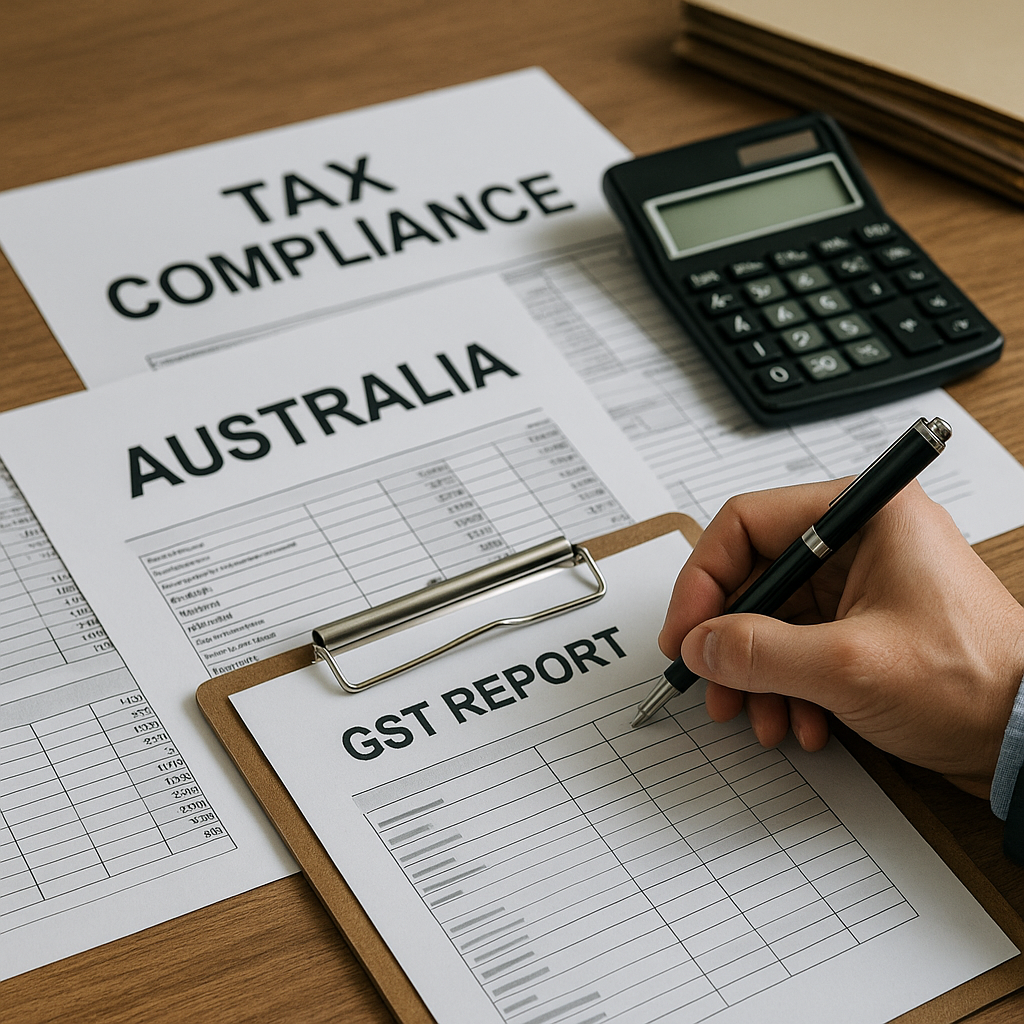
Most business owners in Australia know that tax time can feel like a headache you never quite shake off. You might have a great product, a loyal customer base, and steady cash flow, but even small mistakes in your books can quickly spiral into major problems with the ATO. I’ve seen business owners lose sleep over GST reporting errors or miss a key filing deadline, only to get hit with penalties or, worse, a full audit. The truth is, tax compliance Australia isn’t just about submitting a form – it’s about keeping your entire financial house in order, every single day.
Why Most Businesses Miss Tax Compliance Without Specialist Bookkeeping
In Australia, most businesses miss critical tax compliance because general bookkeeping often overlooks complex GST rules, payroll tax, and reporting obligations. Specialized bookkeeping ensures accurate records, timely lodgement, and compliance with financial regulation Australia, reducing audit risks and avoiding tax penalties. Without it, errors in GST, PAYG, and BAS filing can trigger costly penalties or audits by the ATO.
The Real Cost of Missing Tax Compliance in Australia
Tax compliance Australia isn’t just a box to tick at EOFY. If your bookkeeping isn’t up to scratch, you’re gambling with:
-
ATO audits: Even a small GST reporting error can trigger a full review.
-
Heavy penalties: Late or incorrect BAS, GST, or income tax returns can attract fines ranging from hundreds to tens of thousands of dollars.
-
Interest charges: The ATO charges interest (the General Interest Charge, or GIC) on overdue amounts, compounding your costs.
-
Reputational damage: Ongoing compliance failures can damage lender or supplier trust.
Example: GST Reporting Errors
Suppose your business sells both taxable and GST-free goods, but your bookkeeper doesn’t separate these clearly. You might overclaim GST credits or underpay GST owed. The ATO can audit back up to five years, and you’d need to repay the shortfall plus interest and penalties. It’s not rare – ATO compliance programs focus heavily on GST misstatements.
How Penalties Stack Up
The ATO uses a penalty unit system. For 2024, one penalty unit is $313. Failing to lodge a BAS on time can cost:
-
1 penalty unit for each 28-day period late
-
Up to 5 units for businesses with annual turnover over $1 million
So, even a 3-month delay could mean $939 to $1,565 in fines, just for late BAS lodgement. Tax penalty avoidance isn’t about luck – it’s about process.
Bookkeeping Tax Errors: Where Most Go Wrong
Even with accounting software, mistakes creep in. Here are the most common slip-ups:
-
Incorrect GST coding: Classifying GST-free sales as taxable (or vice versa) leads to wrong BAS figures.
-
Missed PAYG withholding: Forgetting to report or pay employee tax deductions risks ATO scrutiny.
-
Not reconciling bank accounts: Unreconciled accounts mean income or expenses can be missed or double-counted.
-
Ignoring superannuation deadlines: Late super payments mean lost deductions and extra charges.
Real-World Case: The Small Café
A Melbourne café owner managed her own books using off-the-shelf software. She missed coding some catering income as GST-free. After an ATO audit, she owed $14,000 in back GST plus $2,800 in penalties. She’d thought “the software does it all,” but the real error was not understanding GST categories.
Why Specialized Bookkeeping Is Essential for Tax Compliance
General bookkeeping covers the basics – income, expenses, maybe payroll. But specialized bookkeeping adds layers of protection by:
-
Applying the right GST codes for complex transactions
-
Tracking fringe benefits tax (FBT) for company vehicles or staff perks
-
Managing payroll compliance, including super guarantee, leave, and STP reporting
-
Preparing for Single Touch Payroll (STP) and SuperStream requirements
-
Reconciling every account monthly, not just at year-end
What Does a Specialized Bookkeeper Do Differently?
-
Reviews every transaction for GST, FBT, and payroll implications
-
Checks that income, expenses, and tax credits are coded to ATO standards
-
Monitors changing tax law – like instant asset write-off or COVID-19 concessions
-
Flags unusual transactions for accountant review before BAS or tax time
How Specialized Bookkeeping Reduces Business Audit Risks
ATO audit selection is partly random, but also risk-based. Businesses with:
-
Repeated BAS amendments
-
Unusual GST refund claims
-
Large year-on-year swings in income or expenses
-
Missing PAYG or super payments
are more likely to face a review. Specialized bookkeeping helps keep your data clean, reducing audit triggers.
Understanding Financial Regulation Australia: The Basics
Australia’s tax and financial regulation is strict. Businesses must comply with:
-
Income Tax Assessment Act 1997
-
A New Tax System (Goods and Services Tax) Act 1999
-
Superannuation Guarantee (Administration) Act 1992
-
Corporations Act 2001 (for companies)
-
Australian Accounting Standards (AASB, IFRS)
Key Business Tax Obligations
-
Register for an ABN and GST (if turnover >$75,000)
-
Lodge BAS (monthly, quarterly, or annually)
-
Report and pay PAYG withholding for employees
-
Pay super contributions by the 28th of each quarter
-
Keep records for at least five years (digital or paper)
Missing any of these can trigger penalties. For example, not registering for GST when required means you owe 10% of all sales since you crossed the $75,000 threshold – plus interest.
Common Reporting Requirements
-
Business Activity Statement (BAS): Main form for GST, PAYG, and other taxes
-
Income Tax Return: Annual lodgement for all entities
-
Single Touch Payroll (STP): Real-time reporting of employee payments
-
Superannuation reports: For all eligible staff
Tax Filing Accuracy: Why It’s Harder Than It Looks
Even with cloud software, tax filing accuracy depends on:
-
Correct data entry
-
Up-to-date tax rates and thresholds
-
Applying the right tax codes
-
Reconciling accounts to bank statements
The BAS Process, Step-by-Step
-
Gather sales and purchase records for the period
-
Code each transaction for GST, PAYG, and other taxes
-
Reconcile accounts to ensure all transactions are captured
-
Complete BAS form using correct ATO codes
-
Lodge BAS on time via ATO portal, tax agent, or accounting software
Frequent Filing Mistakes
-
Lodging BAS with missing or duplicate transactions
-
Using last year’s rates or codes (rules change frequently)
-
Claiming GST credits on ineligible purchases (e.g., personal expenses)
-
Forgetting to include overseas sales or purchases
GST Reporting Errors: The Silent Profit Killer
GST reporting errors can quietly drain your cash flow or lead to unexpected bills. Typical errors include:
-
Claiming GST credits on purchases from unregistered suppliers
-
Not adjusting for GST-free or input-taxed sales (like financial services or some food items)
-
Failing to account for private use adjustments
Example: GST Credit Overclaims
A wholesaler buys goods from a supplier without checking their ABN or GST status. If the supplier isn’t registered for GST, the buyer can’t claim GST credits – even if the invoice says “includes GST.” The ATO regularly checks these credits and will disallow ineligible claims.
Table: Common GST Mistakes and Their Impact
Error TypeImpactGST claimed on private expensesPenalties, repayment, interestFailing to report GST-free salesOverpayment or audit triggerNot adjusting for bad debtsOverstated GST liabilityIncorrect GST on exportsCash flow loss, compliance risk
Bookkeeping Compliance: ATO Requirements and Standards
Bookkeeping compliance means more than just neat books. The ATO expects:
-
Accurate, up-to-date records (sales, purchases, payroll, assets)
-
Records kept for 5 years and easily retrievable
-
Clear separation of business and personal expenses
-
Proper documentation for all GST claims
Table: Minimum Bookkeeping Records (Sample)
Record TypeMinimum Details NeededSales InvoicesDate, ABN, GST status, amount, descriptionPurchase ReceiptsSupplier ABN, GST amount, business usePayroll RecordsEmployee TFN, payment summary, super paidBank ReconciliationStatement, matching to accounting records
What the ATO Checks in an Audit
During a review, the ATO usually asks for:
-
BAS and supporting working papers
-
Invoices and receipts for key transactions
-
Bank statements and reconciliations
-
Payroll summaries and super records
If your books are messy or incomplete, expect more questions and possibly penalties.
How Specialized Bookkeeping Prevents Business Audit Risks
Specialized bookkeepers are trained to spot risk areas, such as:
-
Unusual GST refund claims
-
Large cash transactions
-
Inconsistent payroll or super payments
-
Gaps in sales or purchase records
They also work closely with accountants to prepare for audits or ATO reviews. Some use audit checklists to ensure:
-
All GST credits have supporting tax invoices
-
Payroll and super are reconciled to ATO records
-
High-risk transactions are flagged for review
Audit-Readiness Checklist
-
BAS lodged on time, every period
-
All GST claims supported by valid tax invoices
-
Payroll and super paid and reported correctly
-
Bank accounts reconciled monthly
-
Digital copies of all records stored securely
Tax Penalty Avoidance: What Works (and What Doesn’t)
Many business owners hope that honest mistakes won’t lead to penalties. The ATO is fair, but not forgiving if you’re careless.
Penalty Triggers
-
Consistent late BAS or income tax lodgements
-
Incorrect GST, PAYG, or super reporting
-
Not correcting errors after ATO warnings
How to Avoid Tax Penalties
-
Use specialized bookkeeping to catch errors early
-
Lodge all forms on time, even if you can’t pay in full (the ATO prefers prompt lodgement)
-
Review ATO correspondence promptly
-
Engage a registered BAS agent or tax agent for complex matters
Comparing General vs Specialized Bookkeeping for Australian Tax Compliance
FeatureGeneral BookkeepingSpecialized BookkeepingGST CodingBasic, often manualDetailed, rules-basedPayroll CompliancePayslips onlySTP, super, awardsBAS PreparationData entryReconciled, reviewedAudit PreparationMinimalFull working papersTax Law KnowledgeLimitedOngoing updates
Real-World Scenarios: When Specialized Bookkeeping Is a Must
1. Multi-State or Cross-Border Sales
If your business sells to other states or exports, GST rules get complex. Example: exporting goods is GST-free, but services may not be.
2. High Staff Turnover
Frequent payroll changes mean more chances for PAYG or super errors. Specialized bookkeepers can set up systems to catch mistakes.
3. Fringe Benefits and Company Cars
If you provide perks (cars, meals, entertainment), FBT applies. General bookkeepers often miss these, leading to underreported tax.
4. Fast-Growing Startups
Growth means new tax obligations – like hitting the GST threshold or needing payroll tax registration. Specialized bookkeepers spot these early.
Common Myths About Bookkeeping and Tax Compliance Australia
-
“My accounting software does everything.” Actually, most software still needs human checks for GST and PAYG coding.
-
“If I make a mistake, the ATO will just warn me.” Sometimes, yes, but repeated or serious errors mean penalties.
-
“I only need to worry at EOFY.” Tax compliance is year-round – late BAS or super can cost you at any time.
-
“Only big businesses get audited.” The ATO audits small businesses too, especially those with inconsistent BAS or missing GST registration.
How to Choose the Right Bookkeeping Support
What to Look For
-
Registered BAS agent or CPA qualification
-
Experience with your industry’s tax rules
-
Familiarity with cloud accounting platforms (Xero, MYOB, QuickBooks)
-
Clear monthly reconciliation processes
-
Willingness to work with your accountant
Questions to Ask
-
How do you handle GST coding for mixed supplies?
-
What’s your process for payroll and super compliance?
-
How often do you reconcile accounts?
-
Do you review ATO updates and apply changes promptly?
Steps to Achieve Full Bookkeeping Compliance
-
Register for GST and PAYG as soon as required
-
Set up chart of accounts with correct tax codes
-
Reconcile bank accounts every month
-
Track all sales and purchases with supporting documents
-
Review payroll, super, and FBT monthly
-
Lodge BAS, income tax, and super reports on time
-
Back up all records digitally for at least five years
Frequently Asked Questions
What is tax compliance in Australia?
Tax compliance in Australia means meeting all obligations under tax law, including registering for GST, lodging BAS and income tax returns, paying PAYG and super, and keeping accurate records for at least five years.
What are the most common bookkeeping tax errors?
Common errors include incorrect GST coding, missing PAYG withholding, late super payments, and not reconciling bank accounts. These mistakes can lead to ATO penalties or audits.
How can specialized bookkeeping help with GST reporting errors?
Specialized bookkeeping ensures each transaction is coded correctly for GST, identifies GST-free and input-taxed sales, and reconciles records before BAS lodgement. This reduces errors and audit risks.
What are the penalties for late BAS lodgement in Australia?
Late BAS lodgement attracts a penalty of $313 per 28 days late, up to five periods. Larger businesses face higher penalties. Interest is charged on overdue amounts.
How does the ATO select businesses for audit?
The ATO uses risk-based methods, focusing on businesses with inconsistent BAS, large GST refunds, missing PAYG or super, or repeated errors. Random audits also occur.
What records must businesses keep for tax compliance?
Businesses must keep sales invoices, purchase receipts, payroll records, and bank reconciliations for at least five years. Digital or paper records are accepted if legible and complete.
How often should bookkeeping records be reconciled?
Monthly reconciliation is best practice. This ensures errors are caught early and records match bank statements, reducing compliance risks.
What is the difference between a BAS agent and a bookkeeper?
A BAS agent is registered with the Tax Practitioners Board and can legally advise on and lodge BAS, GST, and PAYG matters. A general bookkeeper may not be qualified to give tax advice.
When is GST registration required in Australia?
GST registration is compulsory when annual turnover exceeds $75,000. Failing to register means the business must pay GST on all sales made since passing the threshold, plus penalties.
What is Single Touch Payroll (STP)?
STP is an ATO system requiring employers to report employee payments, tax, and super in real time with each pay run. All employers must use STP-compliant software.
How can businesses avoid tax penalties?
Lodge all BAS, tax, and superannuation reports on time, keep accurate records, and use specialized bookkeeping to review GST, PAYG, and payroll compliance regularly.
What should I do if I discover a past GST or PAYG error?
Correct the error as soon as possible by amending your BAS or tax return. Notify the ATO if the error is significant. Prompt disclosure can reduce penalties.
Tax compliance Australia is a moving target – rules change, and the ATO keeps a close eye on mistakes. Specialized bookkeeping is not just a cost but a shield against penalties, audits, and cash flow shocks. If your books are tidy, your reporting is accurate, and you stay on top of every BAS and payroll cycle, you’ll sleep easier knowing you’ve met your business tax obligations. For most owners, honest effort combined with expert help is the safest path.