

Most people hear ‘loan processing audit’ and picture a dry checklist or a hunt for fraud. But if you work in Sydney’s financial sector, you know the real challenge: finding the weak spots before they cost you time, money, or your reputation. When I audited loan processing for a non-bank lender here, I discovered that the real risks often hide in plain sight – missed signatures, unclear workflows, or half-documented approvals. The smallest slip in process or compliance can snowball quickly, especially as non-bank lenders compete with banks for speed and customer trust.
Lessons from Auditing Loan Processing in a Sydney Non-Bank Lender
A loan processing audit at a Sydney non-bank lender means reviewing the full lending workflow to spot operational risks, compliance gaps, and broken internal controls. This audit covers everything from application intake to settlement, focusing on process improvement and regulatory compliance. It’s about catching inefficiencies, errors, and risks that could lead to bad loans, legal trouble, or lost business.
Why Loan Processing Audits Matter for Non-Bank Lenders
Non-bank lenders in Sydney face different pressures than the big banks. They move fast, serve niche customers, and often rely on leaner teams. That speed can lead to shortcuts. Auditing the loan processing workflow isn’t just a box-ticking exercise – it’s the only way to:

- Identify operational risks before they turn into losses.
- Uncover compliance gaps that could trigger regulator action.
- Fix broken internal controls causing delays or errors.
If you skip regular audits, you risk approving loans on bad data or missing a policy update. In Sydney’s crowded lending market, one compliance slip can put you on ASIC’s radar or damage your reputation overnight.
Sydney’s Regulatory Environment
Sydney’s financial sector runs under a tight web of rules:
– The National Consumer Credit Protection Act (NCCP) sets the baseline for responsible lending.
– ASIC (Australian Securities and Investments Commission) monitors compliance and can issue hefty penalties for breaches.
– APRA (Australian Prudential Regulation Authority) doesn’t regulate non-banks directly, but their standards influence industry best practice.
Non-bank lenders must document every step – application, assessment, approval, settlement – to prove compliance if questioned.
Unique Risks for Non-Bank Lenders
Compared to banks, non-bank lenders in Sydney:
– Handle more manual processes or use custom-built tech.
– Attract customers banks turn away, so risk profiles are higher.
– Face more pressure to approve quickly, which can lead to skipped checks.
A loan processing audit shines a light on where these pressures break the system.
What a Loan Processing Audit Covers: Scope and Approach
The actual audit isn’t just a box-ticking exercise. Here’s what I looked at, step by step.
1. Mapping the Lending Workflow
First, you need to see every step from application to settlement. For one Sydney non-bank lender, the workflow looked like this:
- Application receipt (online, broker, or paper)
- KYC and identity checks
- Credit assessment and scoring
- Loan approval (with delegated authority)
- Documentation and contract preparation
- Settlement and disbursement
- Ongoing monitoring (for redraws or early repayment)
At each step, I checked:
– Who is responsible?
– What systems are used?
– Where are manual handoffs?
2. Reviewing Internal Controls
Controls are the checks that prevent errors or fraud. In the audit, I tested for:
- Segregation of duties: No single person can approve and pay out a loan.
- System access controls: Only authorised staff can edit or approve records.
- Audit trails: Every action is timestamped and traceable.
If any control was missing or bypassed, I flagged it as a risk.
3. Checking Compliance with Lending Rules
Sydney lenders must follow:
- Responsible lending obligations (NCCP Act): Assessing suitability and ability to repay.
- Anti-Money Laundering (AML) and Counter-Terrorism Financing (CTF): KYC, transaction monitoring, and reporting thresholds.
- Privacy Act: Secure handling of customer data.
I reviewed a sample of loan files for missing or inconsistent documentation, especially:
- Incomplete KYC checks
- Missing income verification
- Outdated credit assessments
4. Identifying Process Gaps and Bottlenecks
Even small delays or errors can pile up. I tracked:
- Average turnaround time at each step
- Where files got stuck (e.g., waiting for missing info)
- Repeat errors or manual rework
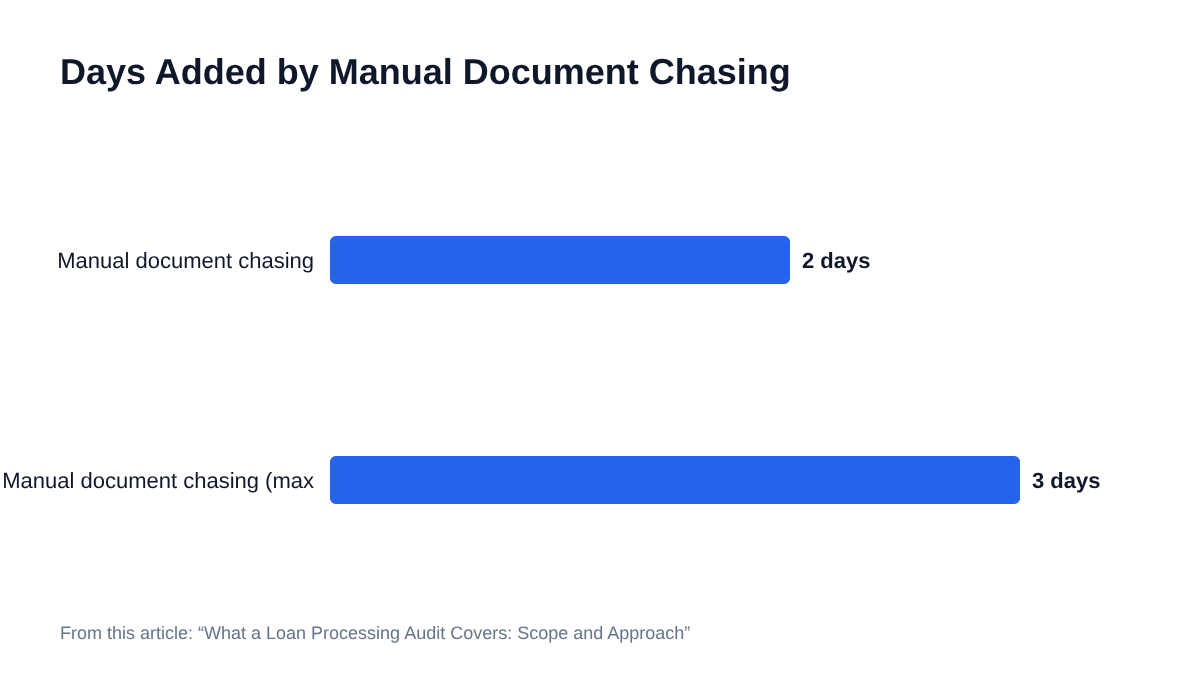
One bottleneck I found: manual document chasing from brokers, which added 2-3 days to some files.
5. Testing for Data Accuracy and Integrity
Numbers matter. I checked:
- Data entered in the loan origination system matched source documents
- Calculations (interest, fees, LVR) were correct
- No manual overrides without clear approval
Any mismatch or unexplained override was a red flag for possible fraud or error.
Common Issues Uncovered During the Audit
No process is perfect. Here are the most frequent (and risky) issues I found in Sydney non-bank lender audits:
Documentation and Approval Gaps
- Missing or unsigned credit assessment forms
- Approval given before full KYC or income checks
- Outdated policy templates still in use
System and Workflow Weaknesses
- Over-reliance on manual spreadsheets for tracking
- No automatic alerts for expiring documents
- Workflow steps skipped due to unclear responsibility
Compliance Shortfalls
- Incomplete AML/CTF checks on foreign borrowers
- Inconsistent application of responsible lending tests
- Poor record-keeping for adverse credit decisions
Data and Reporting Risks
- Mismatched data between loan origination and core banking systems
- Manual workarounds not documented anywhere
- Failure to update systems after policy changes
One lender even had a gap where rejected applications weren’t logged properly, so reporting to ASIC was incomplete.
Practical Steps for a Robust Loan Processing Audit
If you’re planning a loan processing audit, here’s a checklist that works:
Pre-Audit Preparation
- Review current policies, procedures, and org charts
- Request access to sample loan files (across product types)
- Identify key staff for interviews
Audit Execution
- Map the full lending workflow visually
- Test internal controls at each step
- Sample-check files for compliance and documentation
- Look for repeat errors or delays
- Interview staff to find workarounds or pain points
- Review system logs and audit trails
- Summarise findings with risk ratings
Post-Audit Follow-Up
- Present findings to management with clear examples
- Prioritise risks based on impact and likelihood
- Assign follow-up actions with deadlines
- Schedule a re-audit or spot checks for high-risk areas
Compliance, Regulation, and Reporting: What Lenders Must Know
Sydney’s non-bank lenders are bound by strict laws. Missing one compliance step can mean fines or even loss of licence.
Key Regulations and Standards
- NCCP Act: Sets out responsible lending obligations, including the need to verify income and assess suitability for every loan.
- Australian Privacy Principles (APPs): Control how customer data is collected, stored, and used.
- AML/CTF Act: Requires customer identification, transaction monitoring, and regular reporting of suspicious activity.
- ASIC Regulatory Guides: RG 209 (Responsible Lending), RG 165 (Complaints Handling), and others set practical expectations for lenders.
Reporting Requirements
Non-bank lenders must:
- Lodge annual compliance statements with ASIC
- Report suspicious transactions to AUSTRAC (anti-money laundering)
- Keep accurate records for up to 7 years
- Respond quickly to customer complaints and regulator requests
Missing these can lead to:
– Fines (up to several million dollars for serious breaches)
– Enforceable undertakings or licence conditions
– Public naming and reputational damage
Practical Implications for Non-Bank Lenders
- Build compliance checks into every step of the lending workflow
- Train staff regularly on policy updates and regulatory changes
- Use technology to automate checks where possible
- Document every exception and decision, even if it seems minor
You can read more about how digitisation is changing compliance in Rethinking Loan Application Processing in Australia: From Compliance to Customer Experience.
Process Improvement: Turning Audit Insights into Action
Audits only matter if you fix what you find. Here’s how Sydney lenders can use their loan processing audit to drive real improvement.
Identifying Quick Wins
- Automate document reminders and expiry alerts
- Standardise templates and approval checklists
- Set up dashboards to track workflow bottlenecks
Longer-Term Process Changes
- Replace manual spreadsheets with integrated loan origination systems
- Build in automatic compliance checks (e.g., KYC, AML flags)
- Periodically review delegated authority limits and approval workflows
Staff Training and Culture
- Run refresher sessions on compliance and fraud awareness
- Encourage staff to report process gaps or workarounds
- Reward teams for clean audit results or process improvements
Measuring Success
Track:
– Average loan processing time
– Number of compliance breaches or near misses
– Customer complaints linked to processing errors
If numbers aren’t improving, review your audit findings again and adjust your process.
Real-World Scenarios: Applying Audit Findings in Sydney
Here are some practical examples of how audit recommendations changed daily operations for a Sydney non-bank lender:
Automating KYC Checks
Before: Staff manually checked ID documents and entered details in two systems. Errors were common, and some files missed verification.
After audit: The lender implemented a digital KYC tool. Now, the system scans and verifies documents instantly, reducing errors and speeding up approvals. For more on this, see How Digital Verification Transformed KYC for Aussie Borrowers.
Redesigning Approval Workflows
Before: Managers approved loans via email chains, and sometimes approvals happened before all checks were done.
After audit: The lender set up a centralised approval portal with built-in checks. Now, loans can’t be approved unless every required document is uploaded and ticked off.
Fixing Reporting Gaps
Before: Rejected applications were tracked in a shared spreadsheet, leading to missed entries and incomplete reporting to ASIC.
After audit: The origination system now logs every application outcome automatically, creating a reliable audit trail for compliance reporting.
Operational Risks: What to Watch Out For
Operational risk is any threat from broken processes, system failures, or human error. In the Sydney financial sector, the most common risks found during a loan processing audit include:
- Process bypasses: Staff skipping steps to meet targets
- Manual overrides: Changing system data without proper signoff
- Outdated policies: Teams using old templates or missing new compliance rules
- IT gaps: Poor integration between front-end application and back-end systems
To manage these, non-bank lenders should:
– Regularly review and update process documentation
– Limit manual workarounds and require written signoff for exceptions
– Test system integrations after every software update
Internal Controls: Best Practices for Non-Bank Lenders
Strong internal controls are the backbone of a safe lending operation. Based on my audit experience, here’s what works:
- Segregation of duties: No single person handles application, approval, and settlement.
- Access controls: Staff only access what they need for their job.
- Automated audit trails: Every action is logged, timestamped, and locked from edit.
- Exception reporting: System flags any override or skipped step for manager review.
Regularly test these controls with spot checks. If you find any single point of failure, fix it before it’s exploited.
Lending Workflow: Building for Speed and Compliance
Non-bank lenders win business by moving faster than banks. But speed can’t come at the cost of control. The best lending workflows in Sydney’s market have:
- Clear, documented steps for every loan type
- Built-in compliance checks at each stage
- Automated handoffs between teams and systems
- Real-time dashboards to monitor progress and spot bottlenecks
If your workflow isn’t delivering both speed and compliance, it’s time to review it.
For more on common workflow bottlenecks, see Why Most Australian Lenders Still Struggle With Approval Bottlenecks.
Frequently Asked Questions
What is a loan processing audit?
A loan processing audit reviews the end-to-end lending workflow to identify operational risks, compliance gaps, and control weaknesses. It checks if the lender is following internal policies and external regulations, and if processes are efficient and accurate.
Why do non-bank lenders in Sydney need regular loan processing audits?
Non-bank lenders face unique risks due to lean teams, fast turnaround expectations, and manual processes. Regular audits help spot errors, prevent compliance breaches, and support continuous process improvement in a highly regulated environment.
What are common operational risks in loan processing for non-bank lenders?
Common risks include manual data entry errors, skipped compliance checks, process bypasses to meet targets, poor system integration, and outdated policy use. These can lead to financial loss, legal issues, or reputational damage.
How can a lender improve internal controls after an audit?
Lenders can improve controls by segregating duties, implementing access controls, automating audit trails, and setting up exception reporting. Regular staff training and spot checks also help maintain strong controls.
Which regulations must Sydney non-bank lenders comply with in loan processing?
Key regulations include the National Consumer Credit Protection Act (NCCP), Australian Privacy Principles, AML/CTF Act, and ASIC Regulatory Guides. Compliance requires careful documentation and regular reporting.
What are the key steps in a loan processing audit?
- Map the lending workflow.
- Review internal controls and compliance at each step.
- Sample-check loan files.
- Interview staff and review system logs.
- Summarise findings and assign actions.
How do process improvements from an audit benefit a lender?
Process improvements reduce errors, speed up approvals, and lower compliance risk. They also improve customer experience and support sustainable growth for non-bank lenders.
What is the role of technology in reducing loan processing audit risks?
Technology automates compliance checks, tracks data accuracy, creates reliable audit trails, and reduces manual errors. Digital systems also support faster, more accurate reporting for regulators.
How are compliance gaps identified during a loan processing audit?
Auditors review loan files, test controls, and compare practices against current laws and standards. Gaps show up as missing documents, inconsistent checks, or outdated procedures.
What are the consequences of non-compliance for Sydney non-bank lenders?
Consequences include fines, enforceable undertakings, licence restrictions, and reputational harm. Repeat or serious breaches can threaten the business’s ability to operate in the financial sector.
How often should a non-bank lender conduct a loan processing audit?
Most experts recommend at least an annual audit, with spot checks or targeted reviews after any major regulatory or process change.
Can a loan processing audit help with customer satisfaction?
Yes, audits can identify process delays and errors that frustrate customers. Fixing these issues leads to faster approvals and fewer complaints, improving overall satisfaction.
What to Prepare Before You Audit Loan Processing
A good audit starts with preparation. Lenders should gather:
– Up-to-date policies and procedures
– Organisational charts and staff lists
– System access logs and workflow maps
– Samples of recent loan files
Make sure everyone involved understands the audit’s scope and purpose. If you’re not sure about a regulation or process, ask for help from compliance or legal teams. Auditing isn’t about blame – it’s about making the business safer and more efficient.
You’ll never spot every risk, but a structured loan processing audit gives you the best chance to catch problems early and keep your Sydney lending business on track.